Category: Articles

  • Glass Thickness Guide: From 1/8″ to 3/4″ and Beyond

    Glass Thickness Guide: From 1/8″ to 3/4″ and Beyond

    Glass thickness: a quick guide

    Glass shows up almost everywhere in a home or business: cabinet doors, shelves, showers, tables, railings, walls, storefronts and even floors. Each of these jobs calls for a different glass thickness. Below is a quick guide to the most common thicknesses and where each one works best.

    Float glass manufacturers make clear glass in a wide range of thicknesses. Pilkington, for example, offers its Optifloat Clear glass in many sizes and thicknesses. We list inches first, with millimetres in brackets. These are the usual trade equivalents, not exact conversions.

    Have a glass project in mind?Three easy ways to reach us.We usually reply the same day.

    Cabinet doors and small windows: 1/8″ to 5/32″ (3–4 mm)
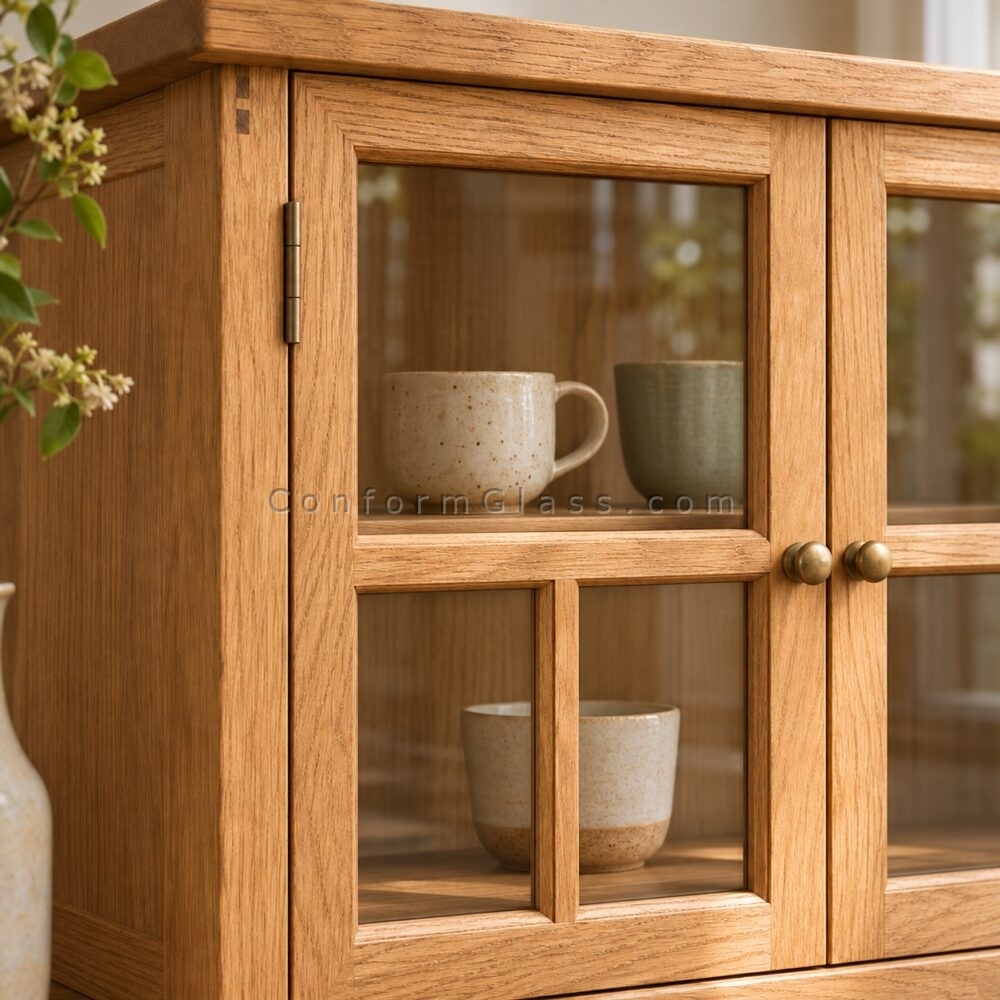
    4 mm clear glass inserts in wooden cabinet doors

    Thin glass works well in small cabinet doors, picture frames and small windows. In these pieces the glass sits in a frame that supports it on all sides.

    The glass in cabinet doors is usually installed by the cabinet or kitchen maker while the doors are being built.

    Bigger windows and panels usually need thicker glass, so we pick it based on their size and the way they’re built.

    Glass shelves: 3/16″ to 1/4″ (5–6 mm)

    Tempered glass in this range is a common choice for small shelves in cabinets, display cases and bathrooms. The right thickness depends on how long the shelf is, where the supports are and how much weight it will carry.

    Choosing the right brackets matters just as much, and it depends on where the shelf goes. For a floating shelf mounted on a wall, special brackets or clamps hold the glass securely and can even add to the look. Inside a cabinet, small shelf supports are usually enough, and they’re almost invisible.

    If you want the shelf to stand out, consider 3/8″ or 1/2″ (10 or 12 mm) glass. A thicker shelf looks more solid and becomes part of the design.
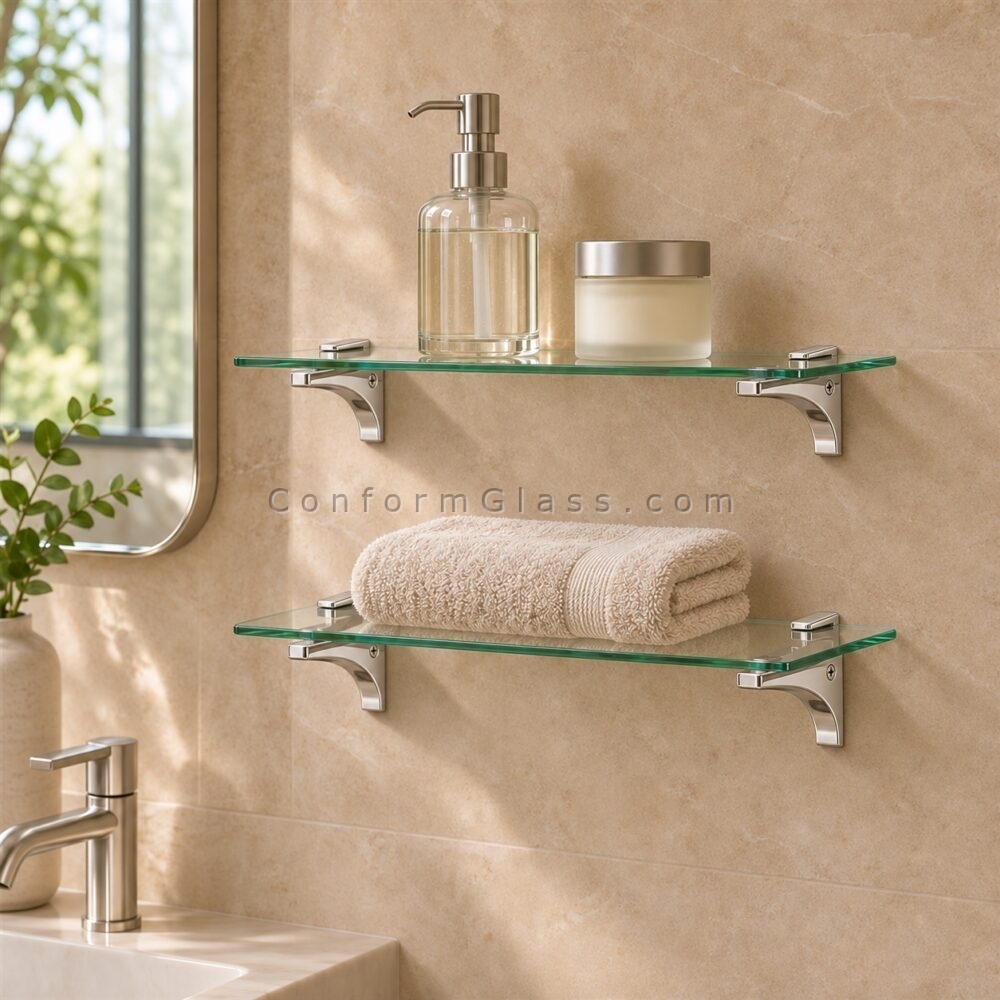
    6 mm clear tempered glass shelves on chrome brackets

    Glass tops for tables and desks: 1/4″ (6 mm)
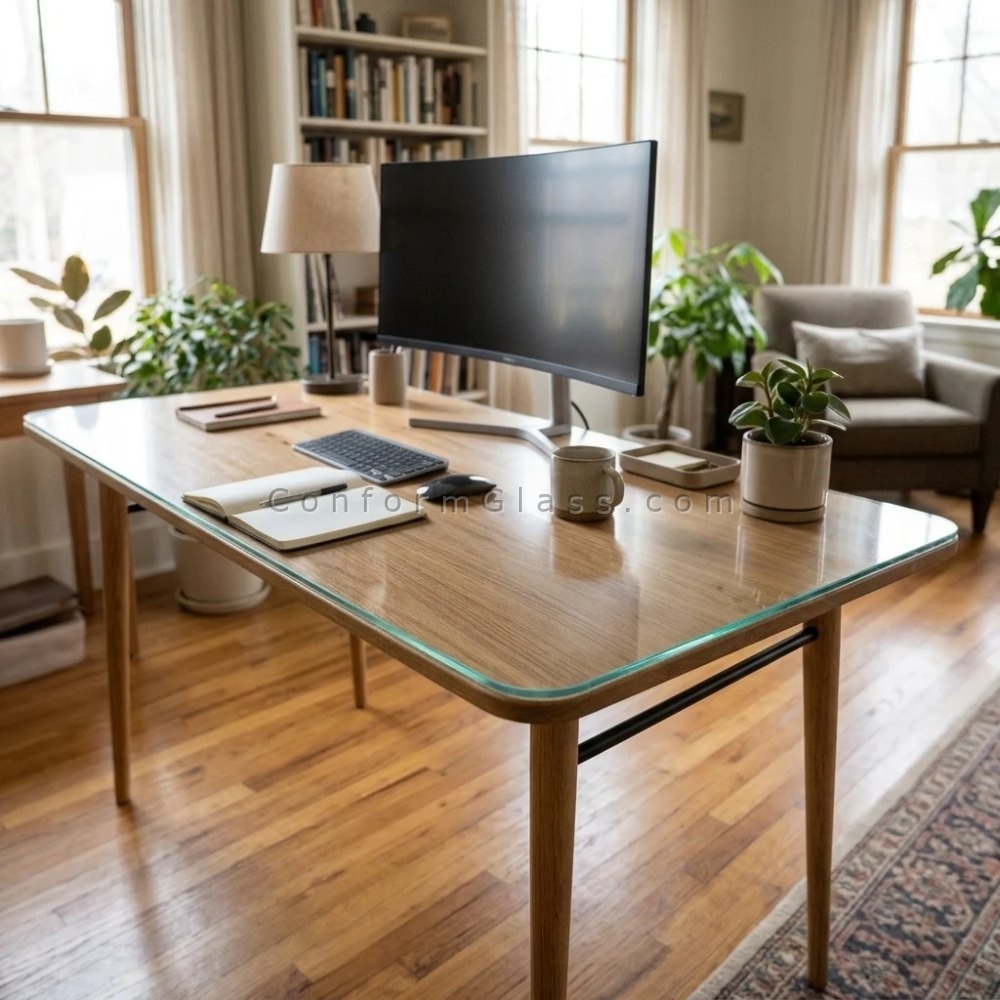
    6 mm clear glass top on a wooden desk with rounded corners

    A 1/4″ (6 mm) glass top is the usual choice for protecting an existing table, desk, dresser or work surface from scratches and everyday wear. Here the furniture underneath carries the load, and the glass simply covers it.

    Wall cladding, back-painted and printed glass: 1/4″ (6 mm)

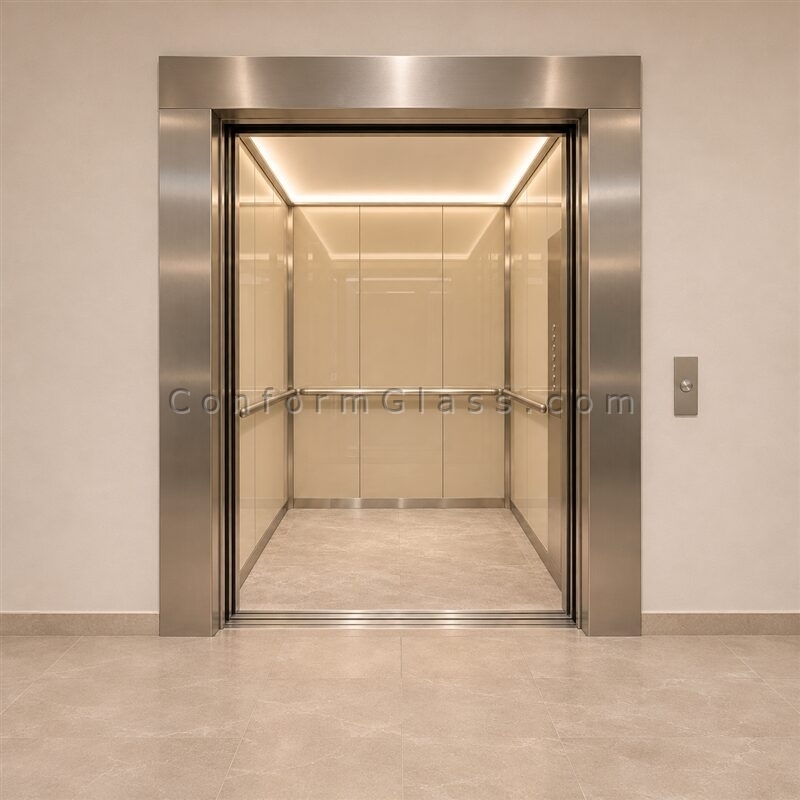
    1/4″ glass is also popular for walls, including panels inside elevator cabs. Paint on the back turns it into back-painted glass. We can also print photos, artwork and patterns on the back for feature walls, wall art and premium displays.

    Some printed panels are backlit. In that case, we plan the print, the amount of light passing through and the lighting layout together.

    For painted and printed panels we usually recommend low-iron glass, because it keeps colours closer to the original. Regular clear glass works too if its slight green tint suits the design.
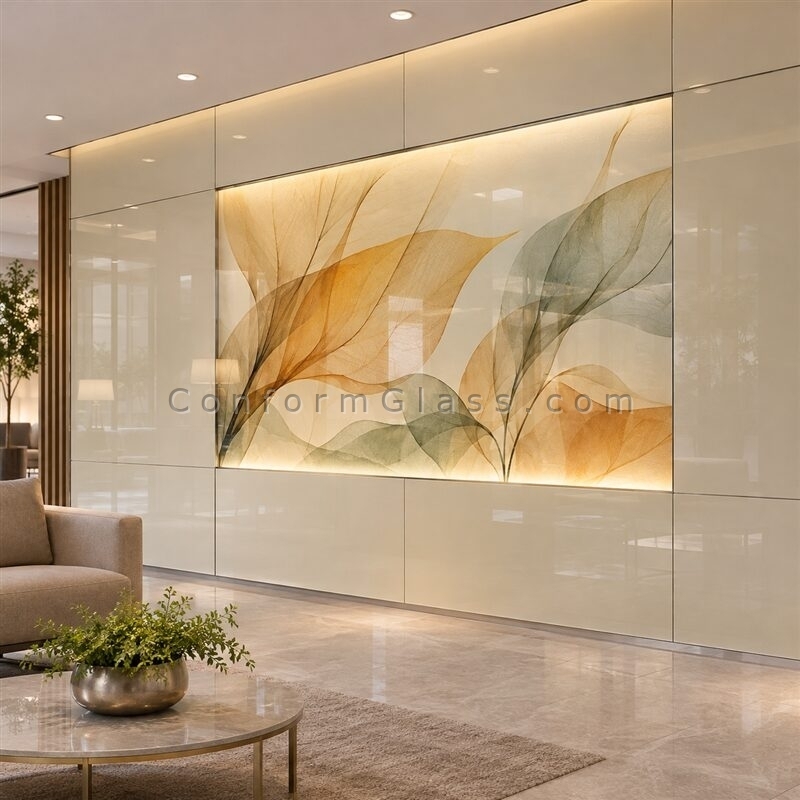
    6 mm low-iron back-painted glass wall cladding

    Shower glass thickness: 3/8″ to 1/2″ (10–12 mm)
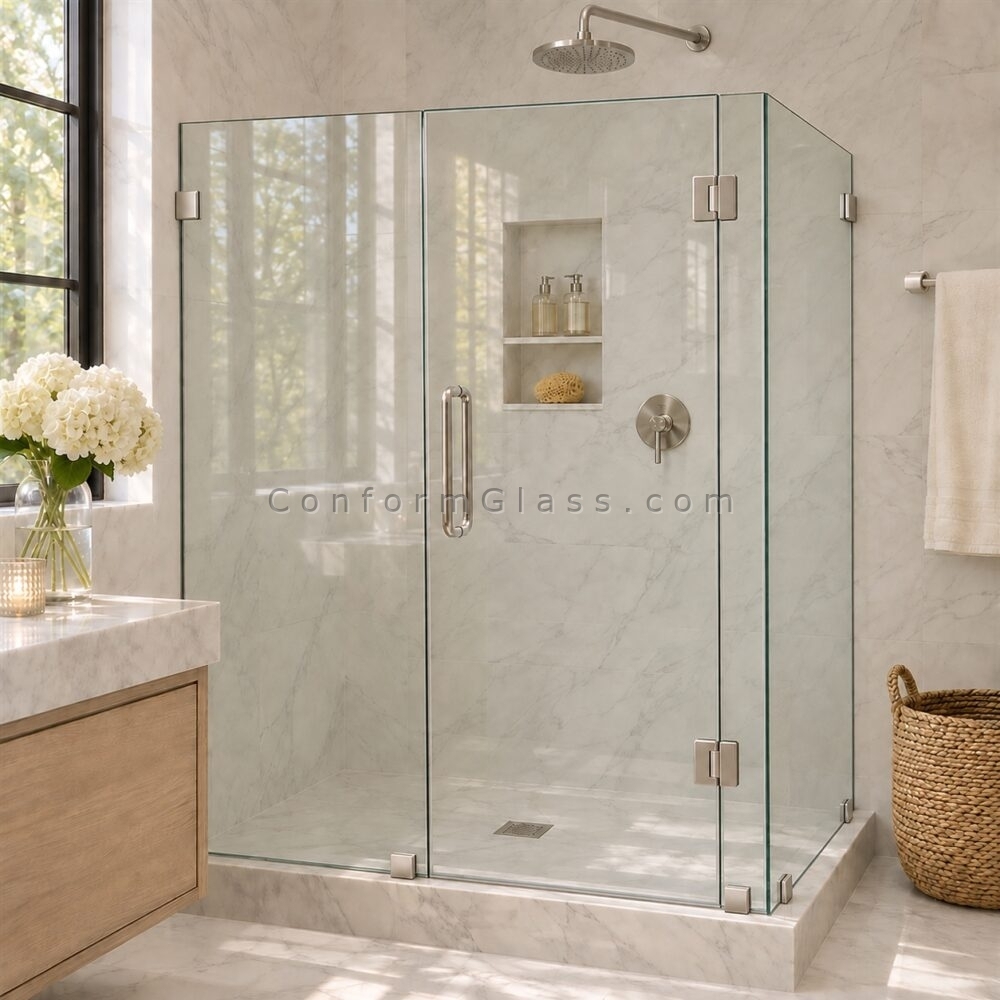
    10 mm clear tempered glass frameless shower with inline panel and return

    Most custom frameless showers use 3/8″ (10 mm) tempered glass, and 1/2″ (12 mm) is another popular option. Both give a clean, open enclosure with very little visible metal.

    Which one to choose depends on the panel sizes, the layout and the hardware. However, some shower systems take thinner glass, so the thickness always has to match the system. See examples of our glass shower enclosures.

    Tabletop glass thickness: from 3/8″ (10 mm)

    When the glass is the tabletop itself and sits on legs, a pedestal or a separate base, 3/8″ (10 mm) is usually the starting point. Larger tops may need 1/2″, 5/8″ or 3/4″ (12, 15 or 19 mm) glass.

    The farther apart the supports are, the more carefully you need to choose the glass thickness.

    Thickness also changes the look. The thicker the glass, the more solid and dramatic your table will look, especially when the top sits on an interesting base or sculptural legs.
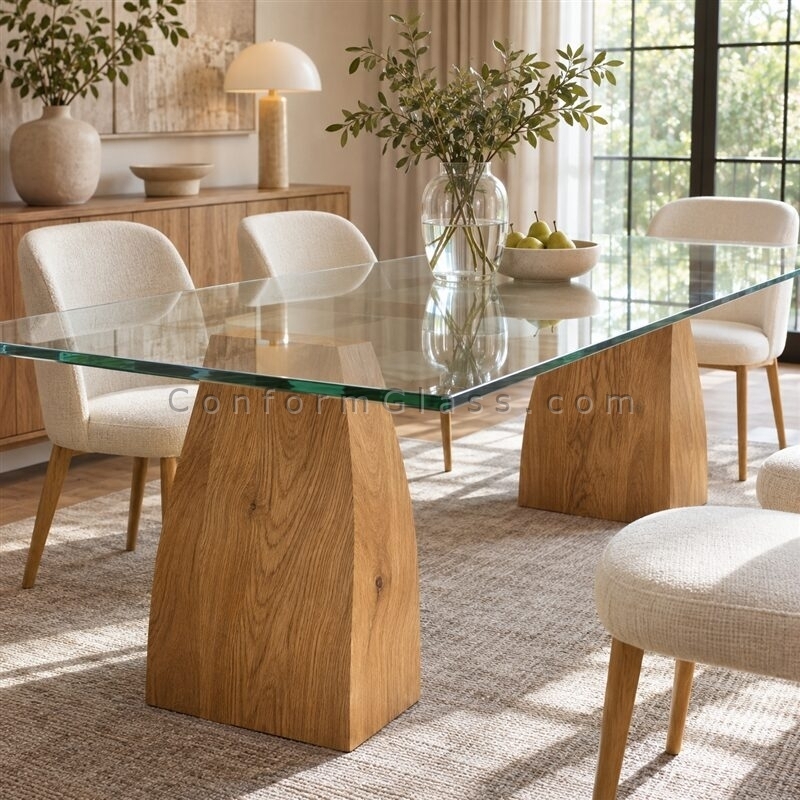
    10 mm clear glass tabletop on a wooden base

    Stair railing glass thickness: from 1/2″ (12 mm)
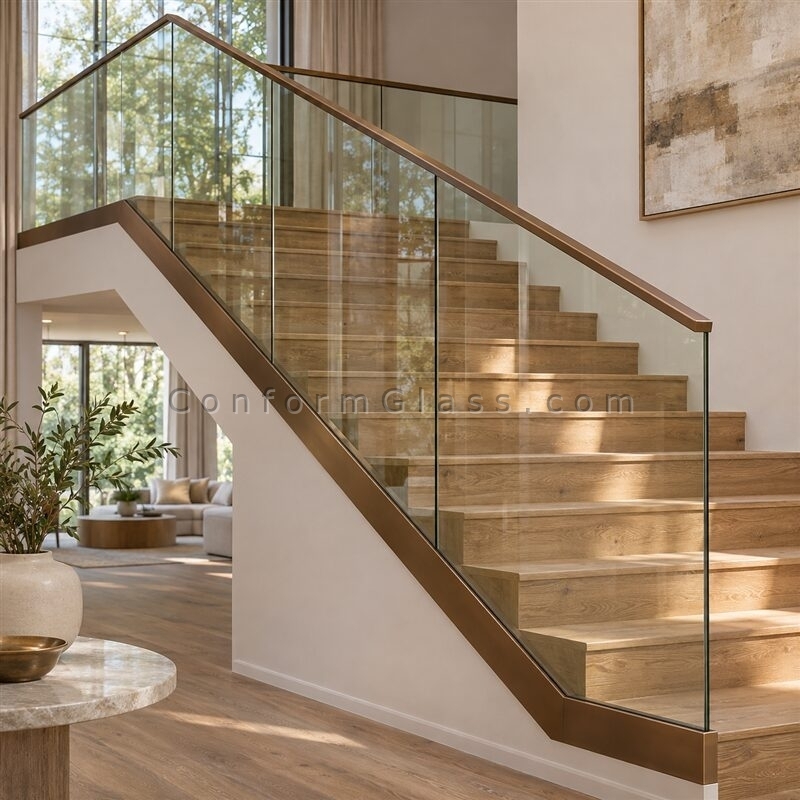
    12 mm clear glass frameless stair railing in a base channel

    Frameless stair railings usually start at 1/2″ (12 mm) glass. The panels can sit in a base channel or attach with individual fittings, and the right thickness depends on the panel size and the railing system.

    Commercial projects often require laminated glass. One example is two 1/4″ (6 mm) sheets bonded with a plastic interlayer: about 1/2″ of glass in total, plus the interlayer.

    The project requirements, building codes and the railing system decide whether you need lamination, and in what make-up.

    Large tabletops and architectural glass: 5/8″ to 3/4″ (15–19 mm)

    This range suits large tabletops, statement furniture and special architectural features. You’ll also see 3/4″ (19 mm) glass in some commercial partitions, storefronts and glass doors, including in shopping malls.

    It looks heavy and solid, and designers often pick it for tall doors and tall glass panels. Still, we choose the thickness and hardware for the real size and design of the installation. A solid look alone doesn’t make it strong.
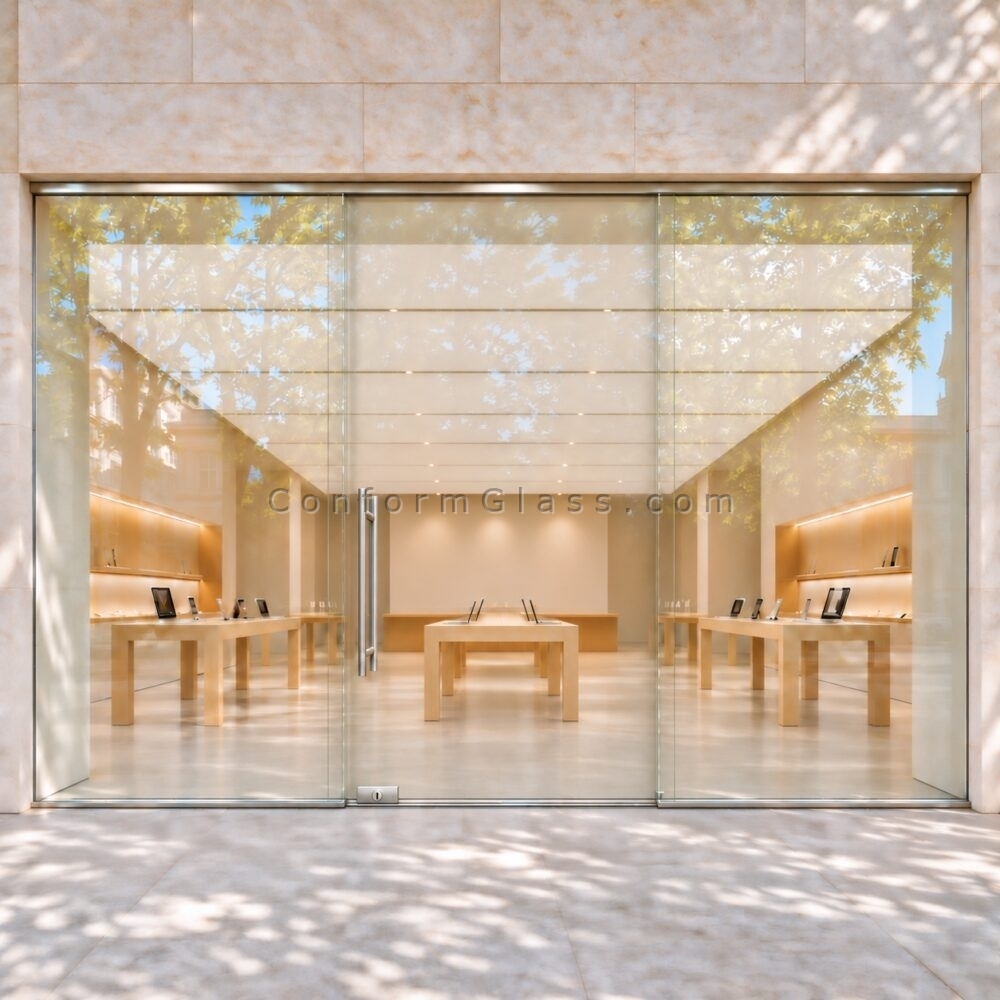
    19 mm clear glass storefront sliding doors in a shopping mall

    Glass floor inserts: about 1-1/4″ to 1-1/2″ (32–38 mm) and up
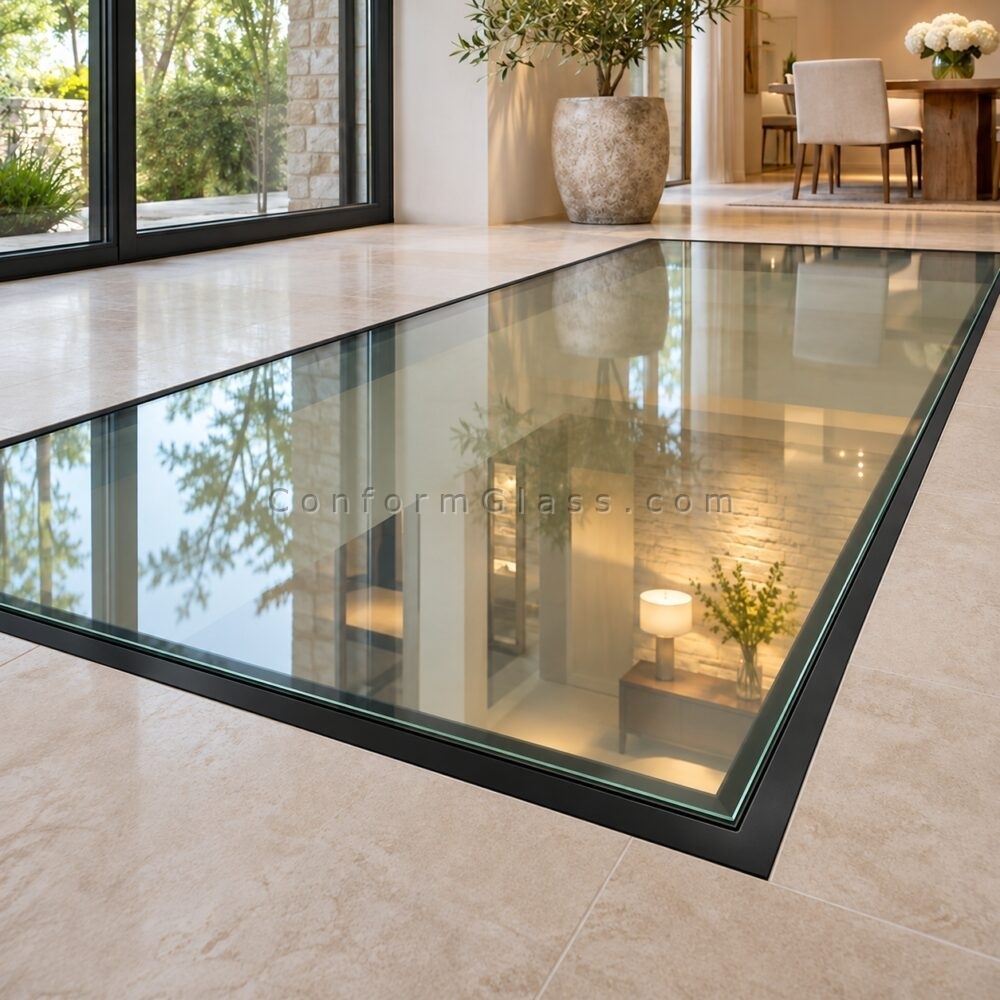
    38 mm laminated glass floor insert with a black border

    Glass floors use special laminated glass made from several sheets bonded together with strong interlayers. For example, three sheets of 3/8″ to 1/2″ (10–12 mm) glass plus the interlayers can add up to roughly 1-1/4″ to 1-1/2″ (32–38 mm).

    The exact make-up depends on the size of the insert, how it’s supported and the loads it has to carry. That’s why a structural engineer must review and approve every glass floor.

    How to choose the right glass thickness

    Start with three simple questions:

    1. What is the glass for?
    2. What are the approximate dimensions?
    3. What will hold it in place?

    At Conform Glass in Toronto, we help choose the glass thickness, type and hardware for each project. Send us photos of the space, approximate dimensions and a short description, and we’ll recommend the right glass and prepare a quote. The examples above are a starting point; the final choice depends on size, support and how the glass will be used.
    Tell us about your project.We usually reply the same day.

  • Low-Iron Glass vs Clear Glass: What’s the Difference?

    Low-Iron Glass vs Clear Glass: What’s the Difference?

    Low-iron glass vs clear glass: why the tint matters

    You’ve chosen white tile for the shower, a colour for a painted glass panel, or a piece to show in a display case. Now you need glass that won’t change how it looks. A glass quote often lists two options: regular clear glass and low-iron glass. Both are transparent, but they don’t have the same tint. Here we compare low-iron glass vs clear glass and explain when the difference is worth paying for.

    Have a glass project in mind?Three easy ways to reach us.We usually reply the same day.

    Why does regular clear glass look green?

    Regular clear glass contains a small amount of iron, and that iron gives it a slight green tint.

    You’ll see it most clearly on the edge. Looking straight through the sheet, the tint is faint, but from the side it’s much stronger. The thicker the glass, the more green it shows, so the tint is easier to notice on 1/2″ glass than on 1/4″.

    What is low-iron glass?

    Low-iron glass is made from raw materials with much less iron. As a result, its green tint is far weaker, and colours behind the glass look more natural.

    Float glass manufacturers sell it under their own brand names. Pilkington’s low-iron glass, for example, is called Optiwhite.

    Low-iron glass isn’t completely colourless, though. A faint tint can remain, depending on the product, the thickness and the lighting.

    Showers with white or light tile

    If your shower has white tile, light marble or another finish whose colour you want to keep, it’s worth comparing both options. Regular clear glass can add a green cast to the tile behind it, while low-iron glass keeps the finish closer to its true colour.

    Before you order, look at samples of both next to the tile you’ve chosen.

    Display cases and showcases

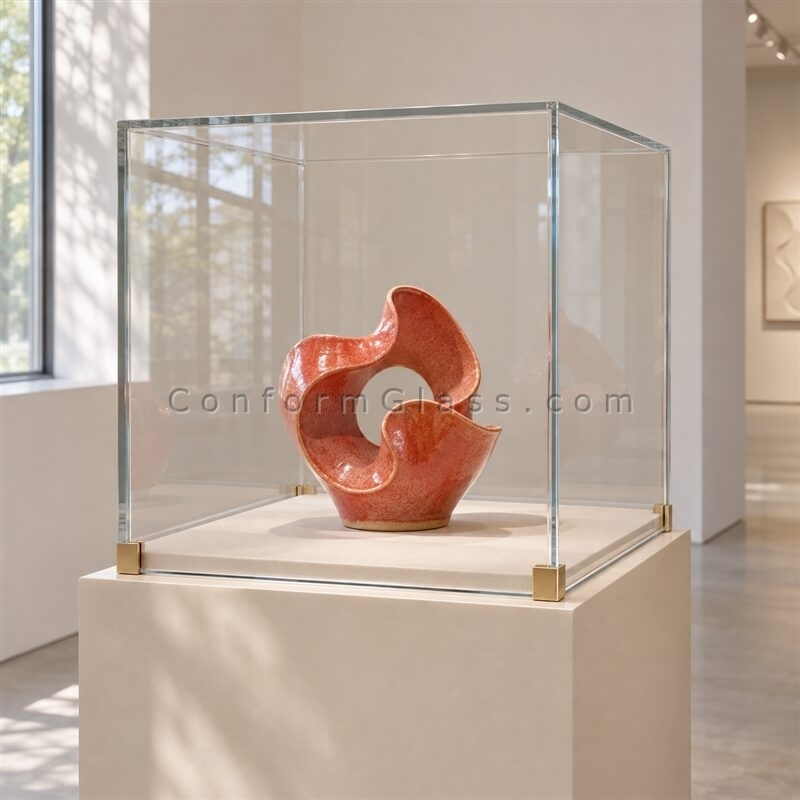
    When the glass should change the look of the item inside as little as possible, low-iron glass is a good choice. It’s often used for jewellery, art, collectibles and any product where accurate colour matters.

    Keep in mind that low-iron glass isn’t the same as museum glass. Reflections, UV protection and security are separate questions.

    Low-iron glass display case showing true colours of the items inside

    Back-painted glass walls and backsplashes

    Back-painted low-iron glass wall keeping a light colour true

    With back-painted glass, you see the paint through the full thickness of the glass, so the tint of the glass affects the colour. On regular clear glass, white and pale colours can look noticeably green.

    Low-iron glass keeps painted colours much closer to the original. That’s why it’s the usual choice for white and light-coloured painted glass.

    Elevator interiors and wall cladding

    Back-painted glass is also a popular finish for elevator cabs and lobby walls. In these spaces the glass covers large areas and the edges are often visible, so the green tint of regular glass stands out.

    Low-iron glass gives a cleaner, more even colour across every panel.

    Elevator interior with back-painted low-iron glass wall panels

    Printed glass, photos and logos

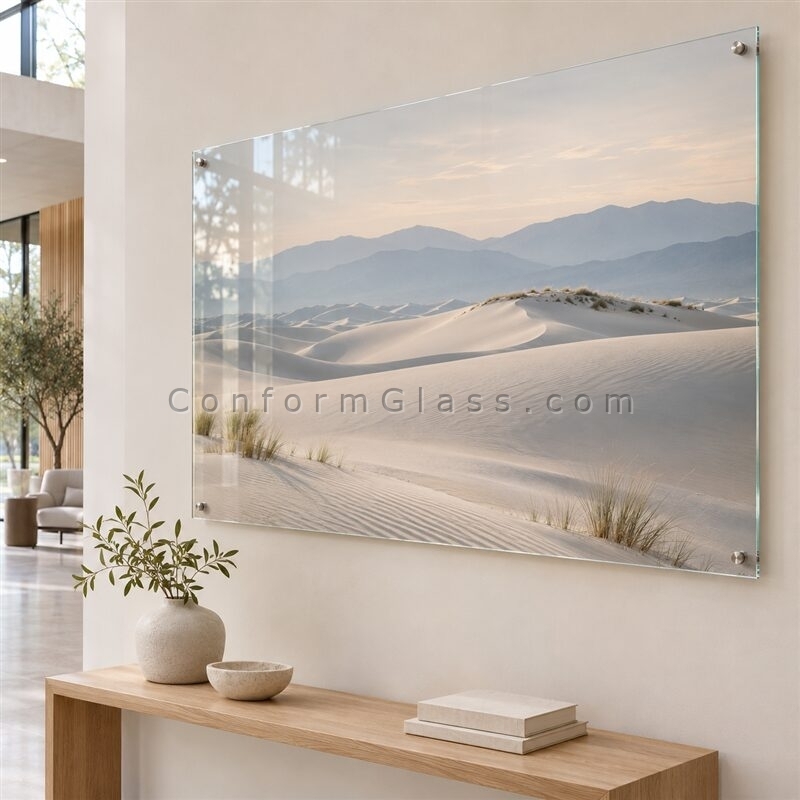
    Photo printed on low-iron glass with accurate colours

    The same applies to images and logos printed on the back of the glass. Low-iron glass keeps colours closer to the original artwork, especially whites, skin tones and light backgrounds.

    The final result also depends on the ink or printing method, the lighting and what’s behind the glass, so we recommend approving a sample before production.

    Glass partitions and other visible features

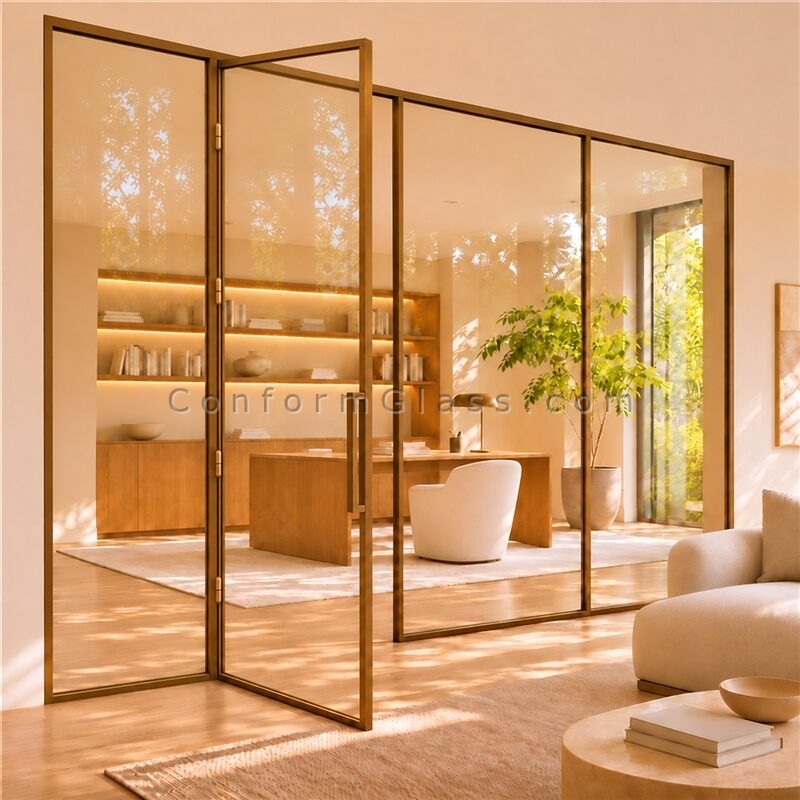
    You can choose low-iron glass for a partition, a door or a glass railing if you’d like the glass to look as neutral as possible.

    This is about appearance only. We still choose the type of safety glass, its thickness and the hardware for the specific design.

    Glass partition with a door made with low-iron glass for a neutral look

    When is regular clear glass enough?

    Regular clear glass is still the right choice for many projects. If you’re happy with its tint and a small colour shift behind the glass doesn’t matter, low-iron glass may not give you a visible benefit.

    The best way to decide is to put two samples side by side in conditions similar to the final installation: same thickness, same background and same lighting.

    Is low-iron glass stronger than clear glass?

    No. The name describes what the glass is made of and how clear it looks, not how strong it is or how it breaks.

    Low-iron glass can be tempered or laminated just like regular glass. So when you order, decide on two things: the look you want, and the safety requirements the finished panel has to meet.

    How to choose for your project

    Start with what will be seen through the glass and next to it:

    1. Do you need to keep white or another exact colour?
    2. Should the glass show the true colours of an object, paint or print?
    3. How visible is the difference between samples in your space?

    At Conform Glass in Toronto, we’ll help you compare the options for your project. Send us photos, approximate dimensions and a short description of the look you want, and we’ll recommend the right glass and prepare a quote. You can also see examples of our glass shower enclosures and custom glass displays.

    Tell us about your project.We usually reply the same day.

  • Annealed vs Tempered vs Laminated Glass: What’s the Difference?

    Annealed vs Tempered vs Laminated Glass: What’s the Difference?

    Tempered vs laminated glass, and where annealed glass fits in

    Two sheets of clear glass can look identical and still behave very differently when something hits them. What matters is how the glass was made, not just how it looks. This guide covers tempered vs laminated glass and how both compare to regular annealed glass, the three terms you’ll most often see on a glass quote.

    Have a glass project in mind?Three easy ways to reach us.We usually reply the same day.

    Annealed glass: where it all starts

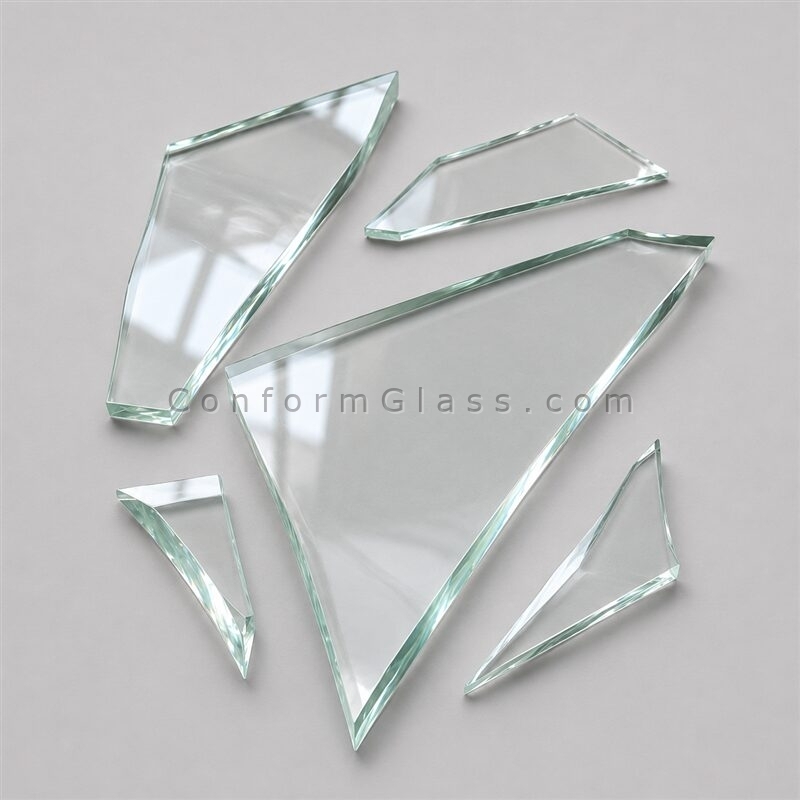
    Annealed glass breaking into large sharp pieces

    Annealed glass is what most people call regular glass. It’s the base material for most glass products, and it can be cut, drilled and edge-finished in the shop.

    However, when annealed glass breaks, it leaves large, sharp pieces. That’s why it doesn’t belong in places where someone could fall against it or walk into it.

    Thickness alone doesn’t make it safe. A thick sheet of regular glass is not automatically right for a door or a railing; first think about how the glass will be used.

    Tempered glass: heat-treated for strength

    Tempered glass starts as annealed glass. The tempering process heats the sheet and then cools it very quickly. According to float glass manufacturer Pilkington, this makes it roughly four times stronger than annealed glass of the same thickness.

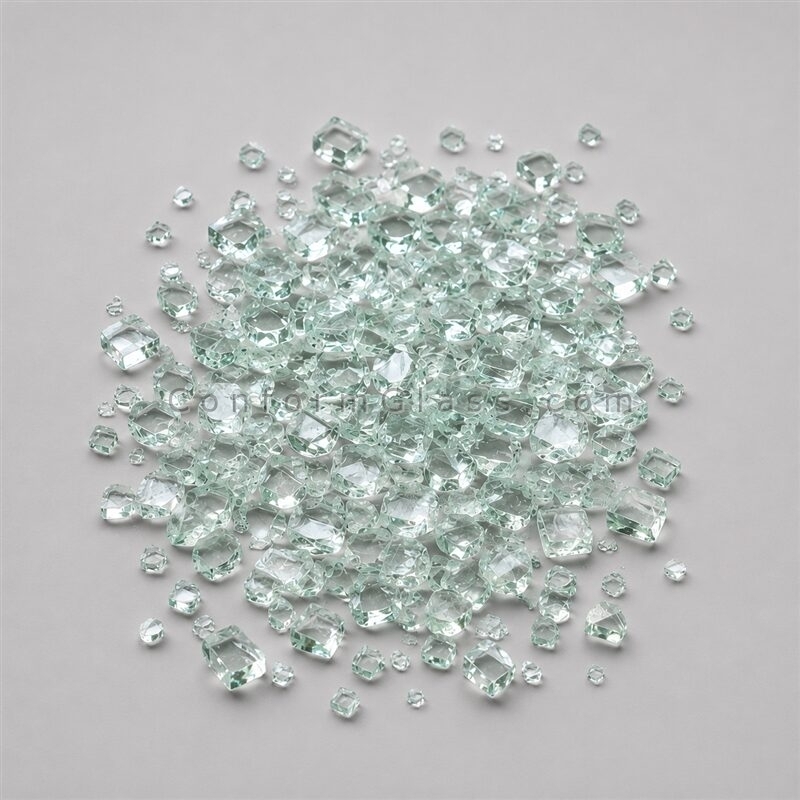
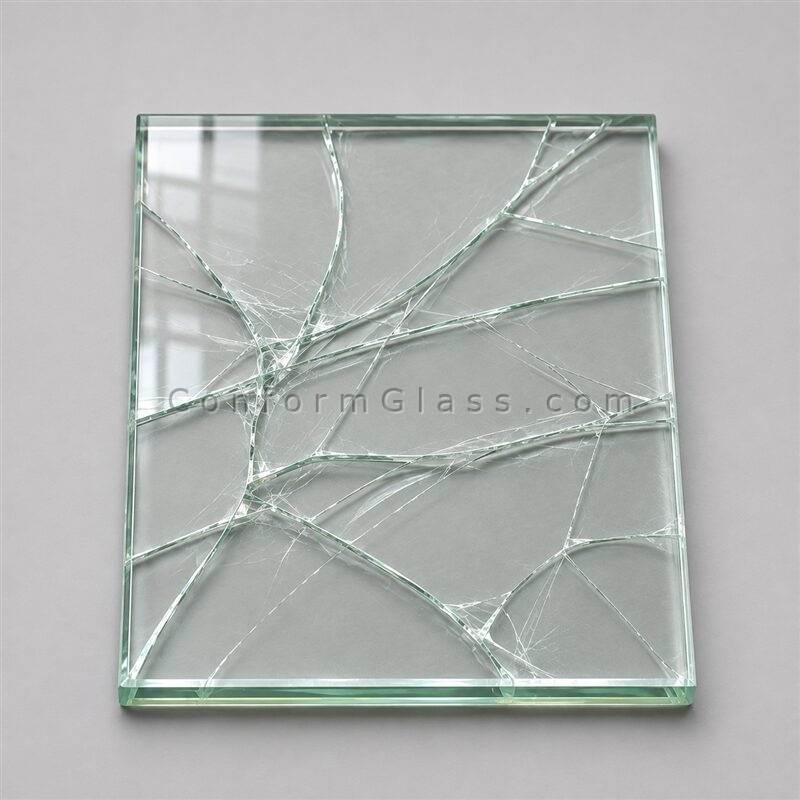
    It also breaks differently. Instead of large shards, a tempered panel usually breaks into many small pieces. As a result, the risk of serious cuts is lower, although injuries can still happen.

    Tempered glass is a common choice for shower enclosures, glass doors and partitions. Whether it’s right for a specific installation depends on the design and the requirements that apply to it. Stronger doesn’t mean unbreakable.

    Tempered glass vs laminated glass: tempered glass breaks into small pieces

    Laminated glass: layers that hold together

    Laminated glass held together by the interlayer after breaking

    Laminated glass consists of two or more sheets bonded together with an interlayer. If the glass cracks, the interlayer helps keep the broken pieces in place.

    This is the key difference in tempered vs laminated glass. A single sheet of tempered glass will usually fall apart when it breaks, while laminated glass stays together.

    On the other hand, laminating doesn’t make regular glass stronger the way tempering does. The glass sheets, the interlayer and the way you support the panel all affect how it performs.

    If a laminated panel cracks, don’t assume it’s still safe to use just because the pieces haven’t fallen out.

    Fabrication comes before tempering

    There’s one important rule: all cutting, drilling and edgework has to happen before tempering. Nobody can cut or drill tempered glass afterwards.

    That’s why we make every tempered panel to its final size from the start. It’s also why accurate measurements matter so much: a tempered panel can’t be trimmed on site.

    Can glass be both tempered and laminated?

    Yes. Tempering treats each individual sheet, while laminating bonds sheets together.

    So you can make a laminated panel from tempered sheets. This combines the strength of tempered glass with the safety of laminated glass. The right combination depends on the project.

    Tempered or laminated glass: which is right for your project?

    When it comes to tempered vs laminated glass, there’s no single answer. A shower door, a display case and a glass railing each do a different job, so no single type of glass is the best choice for all of them. Before choosing, think about:

    1. Where the glass will go
    2. The size of each panel
    3. What will hold each panel in place
    4. The loads and accidental impacts it might face
    5. What needs to happen if the glass breaks

    Thickness alone can’t answer these questions. In addition, doors, railings and other safety-related installations need the right hardware, solid supporting surfaces and a design that meets the project’s requirements.

    How to get started

    Tell us about your project: what you’d like to build and where it will go. If you have photos of the space, please send them too.

    At Conform Glass in Toronto, we’ll help you choose the right glass for your project and give you a price for exactly what you need. You can also see examples of our glass shower enclosures and frameless glass doors and partitions.

    Tell us about your project.We usually reply the same day.